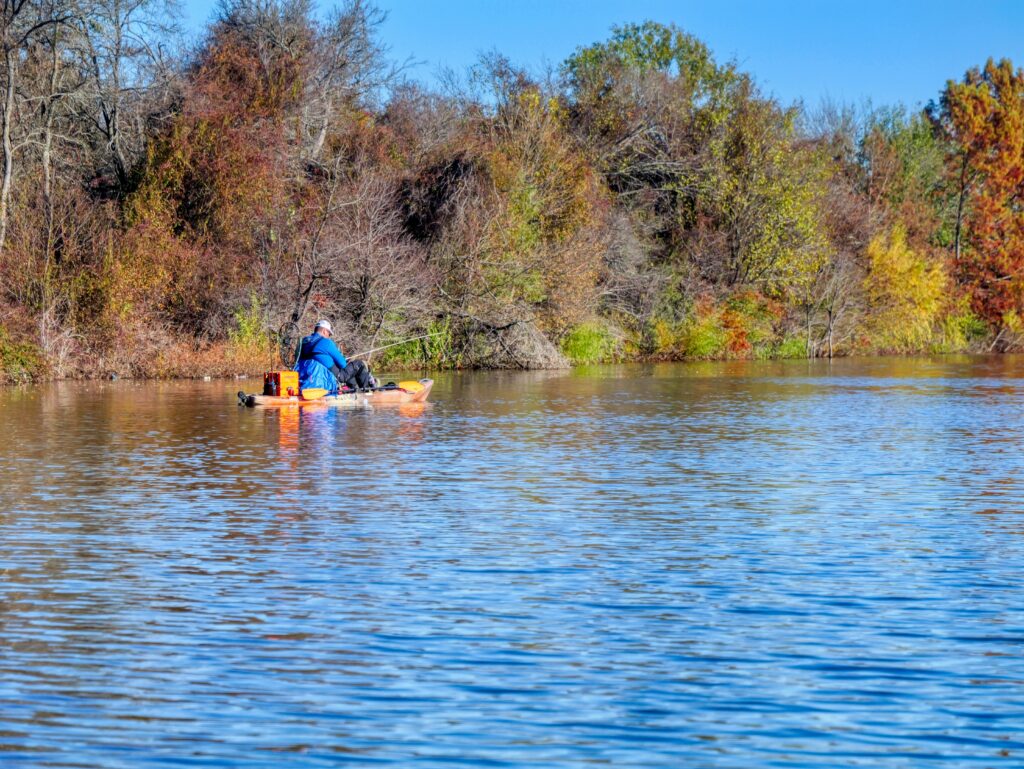
Kayak fishing has become one of the fastest growing ways to enjoy the water. It gets you into the quiet, hard-to-reach spots, and offers an up-close, hands-on connection with nature that bigger boats just can´t match. But to truly enjoy your time on the water, you need the right gear; and it all starts with your rod. Finding the best fishing pole for kayak fishing can transform a frustrating outing into a day full of memorable catches.
Why Kayak Fishing Demands a Different Rod
Fishing from a kayak isn’t the same as fishing from shore or a large boat. You’re sitting low to the water, working in a tight space, and balancing on a craft that moves with every cast and hookset. These conditions place unique demands on your equipment. A rod that’s too long becomes awkward to handle, while one that’s too short limits your casting distance and leverage when fighting fish near the hull.
Because of this, the ideal kayak fishing rod strikes a careful balance between length, power, and portability.
Key Features to Look For
When shopping for the best fishing pole for kayak fishing, keep these core factors in mind:
Length: Aim for a rod between 6 and 7.5 feet. This range offers enough casting distance while remaining manageable in the confined space of a kayak.
Power and action: Medium to medium-heavy power with a fast action gives you sensitivity for detecting bites and backbone for setting hooks and pulling fish away from cover.
Durability: Saltwater and freshwater both expose your gear to moisture, sand, and sun, so corrosion-resistant components matter.
Portability: Two-piece or telescopic rods are easier to transport and store in tight kayak hatches.
Weight: A lightweight rod reduces fatigue during long sessions and improves overall sensitivity.
Top Rod Recommendations by Category
Here are some of the best options across different fishing styles and budgets.
Best All-Around: Ugly Stik GX2
• Nearly indestructible fiberglass-and-graphite construction
• Available in multiple lengths ideal for kayaks
• Extremely affordable and beginner-friendly
• Sensitive enough for most freshwater species
• Backed by a strong reputation for durability
Best for Bass: St. Croix Bass X
• Premium SCII graphite blank for excellent sensitivity
• Tailored actions designed specifically for bass techniques
• Comfortable cork handles for all-day comfort
• Lightweight yet powerful enough for big fish
• Trusted American craftsmanship and reliability
Best for Saltwater: Penn Battalion II Inshore
• Corrosion-resistant guides and components
• Built to handle hard-fighting inshore species
• Solid backbone for redfish, snook, and trout
• Durable graphite composite blank
• Reasonably priced for a saltwater-rated rod
Best Budget Pick: KastKing Perigee II
• Two interchangeable tips for versatile fishing
• Surprisingly sensitive for the price point
• Lightweight carbon construction
• Multiple length and power options
• Great value for newcomers to kayak fishing
Spinning vs. Baitcasting for Kayaks
A common question among kayak anglers is whether to choose a spinning or baitcasting setup. For most paddlers—especially beginners—a spinning rod is the better choice. It’s more forgiving, easier to cast in windy conditions, and handles light lures well. Baitcasting rods, on the other hand, offer superior accuracy and power for targeting larger fish around heavy cover, but they require more practice to master.
If you’re just starting out, lean toward a medium-power spinning rod in the 6.5 to 7-foot range. Experienced anglers chasing trophy bass or saltwater bruisers may prefer the control of a baitcaster.
Practical Tips for Kayak Rod Setup
Choosing the right rod is only part of the equation. Consider these final pointers to round out your setup:
Use rod leashes: Dropping a rod overboard is a real risk—a leash keeps your gear safe.
Match your reel carefully: Balance the reel weight and size to your rod for comfortable, fatigue-free fishing.
Carry a backup: A second rod rigged differently lets you adapt quickly without re-tying.
Protect your investment: Rinse rods with fresh water after every saltwater trip to prevent corrosion.
Conclusion
The best fishing pole for kayak fishing ultimately depends on your target species, fishing style, and budget. That said, you can’t go wrong starting with a versatile 6.5 to 7-foot medium-power spinning rod from a trusted brand. It’ll handle the majority of situations you encounter on the water while keeping things simple and manageable.
Invest in quality where it counts, take care of your gear, and you’ll spend less time fussing with equipment and more time doing what you came to do—catching fish. Tight lines!